


The approximately 12.5 million figure reflects Africans embarked on transatlantic voyages, not just those who reached the Americas. The database’s estimates do not encompass every African captured, killed or displaced before embarkation.
TL;DR
- King Charles III arrived at Antigua and Barbuda on October 30 after touring The Bahamas and Guyana ahead of this year’s Commonwealth Heads of Government Meeting (CHOGM) amid increasing calls from the Caribbean and African nations for slavery reparations.
- Caribbean and African nations, including Ghana, are intensifying demands for reparations, official apologies, and the return of cultural artefacts.
- Reparations have been estimated in the trillions of US dollars, with proposals emphasising long-term structural investment, debt relief and institutional reform rather than simply direct cash payments.
- Buckingham Palace has stated that while the king can engage on the topic, decisions regarding apologies and financial reparations are for the British government, not the monarch.
- The King is not expected to issue a formal apology during his Caribbean visit. However, in a significant development on October 31, British Prime Minister Andy Burnham has indicated that his government is open to considering a formal apology, while continuing to reject financial reparations.
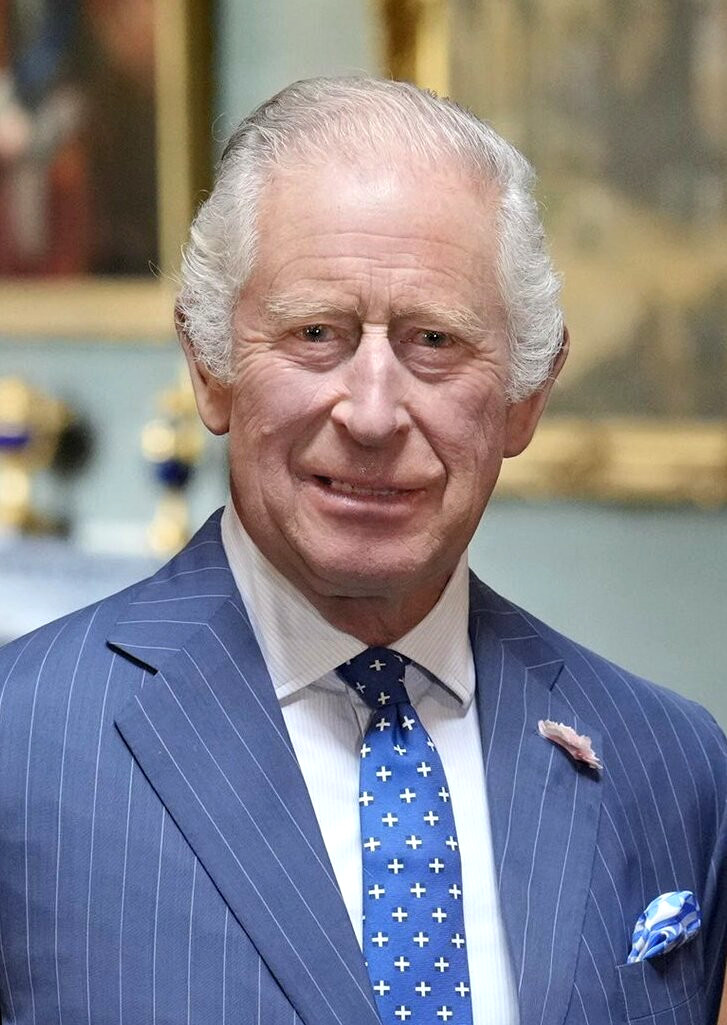
The month of October 2026 ended with King Charles III embarking on a nine-day tour of Caribbean nations, culminating with the Commonwealth Heads of Government Meeting at Antigua and Barbuda. This Royal Visit to the Caribbean comes at a time when calls for reparations from Caribbean and African nations for debts arising from transatlantic slavery and colonial exploitation are growing louder.
According to historical estimates compiled by the SlaveVoyages research database, European traders forcibly transported about 12.5 million enslaved Africans across the Atlantic between the 15th and 19th centuries, largely from territories that now form Nigeria, Ghana, Angola, Benin, Senegal and the Democratic Republic of Congo. This number accounts for only those counted at the final stage of extraction.
Britain accounted for an estimated 3.2 million of those transported on British ships, making it the second-largest European participant in the transatlantic slave trade after Portugal.
Still, the British Government, while willing to acknowledge its role in the slave trade has still refused to accept the inherited debt.
According to British Prime Minister Andy Burnham, in an article published in The Guardian on October 31, “I do not think that British people today can be held liable for historical wrongs, however heinous, that happened in a different age under different laws and in which they played no personal part.” Yet Burnham’s argument raises a fundamental question: if the financial and institutional benefits of slavery have been inherited across generations, why should the responsibility for addressing its consequences end with those who directly participated in it?
Nevertheless, King Charles III, while willing to meet with the people of the Caribbean to discuss forward looking trade and climate resilience, is not expected to entertain or give ground to any claims.
Among those leading the call for reparations were: Prime Minister of Barbados Mia Mottley, President of Guyana Mohamed Irfaan Ali, President of Ghana Nana Akufo-Addo, and academic architects and historians including Sir Hilary Beckles of Barbados, Professor Verene Shepherd of Jamaica among many others. These contemporary calls follow a longstanding demand for recognition and compensation pioneered by trailblazing voices, among them including Queen Mother Audley Moore and Bernie Grant. Queen Mother Moore was a Pan-Africanist activist who founded the Universal Association of Ethiopian Women and spent decades petitioning the United Nations, arguing that European and American powers owed trillions of dollars for genocide and uncompensated slave labor. Grant was one of the first Black members of the British Parliament, who founded the African Reparations Movement (ARM) in the UK in 1993, bringing demands for reparations and the return of stolen African artifacts directly onto the floor of the House of Commons.
CARICOM is also pushing for reparations to feature at CHOGM.